







Maîtriser le nettoyage et la désinfection en atelier de charcuterie salaison – 2026 (sur mesure)
Sécurité des aliments
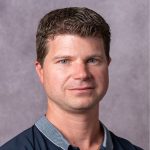
Bastien FRÉMAUX
Responsable de la formation
Présentiel 7 heures
Prix: sur demande
Ingénieur d’étude, PhD - Expert en microbiologie alimentaire et environnementale
Bastien Frémaux, PhD en Écologie Microbienne, chargé de projets, apporte un appui scientifique et technique auprès des entreprises de charcuteries/salaisons depuis 2012. A ce titre, il est un membre actif du RMT ACTIA CHLEAN et a copiloté l’élaboration de la norme ISO 18593 sur les prélèvements de surface. Il participe à divers programmes de Recherche visant à une meilleure connaissance de la diversité et du comportement des contaminants microbiologiques (germes d’altération et pathogènes) durant les processus de fabrication et de conservation des aliments. Il accompagne les professionnels dans la réalisation de tests de croissance procédé/produit de germes d’intérêt (e.g. C. botulinum, L. monocytogenes). Il assure le transfert des informations scientifiques et techniques par des publications ou des formations intra ou inter-entreprises.4 / 18 résultats
Voir tous les acticles
WEBINAIRE DU RMT CHLEAN porté par le réseau ACTIA, des…
4 résultats
Voir toutes les formationsMaîtriser le nettoyage et la désinfection en atelier de charcuterie salaison – 2026 (sur mesure)
Bastien FRÉMAUX
Responsable de la formation
Présentiel 7 heures
Prix: sur demande
Maîtriser le nettoyage et la désinfection en atelier d’abattage-découpe – 2026 (sur mesure)
Bastien FRÉMAUX
Responsable de la formation
Présentiel 7 heures
Prix: Sur demande
Bactéries sporulées: diversité et moyens de maîtrise (sur mesure) – 2026
Bastien FRÉMAUX
Responsable de la formation
Présentiel 4 heures
Prix: sur demande
Maîtriser le nettoyage et la désinfection en atelier de charcuterie salaison – 2025
Bastien FRÉMAUX
Responsable de la formation
Présentiel 7 heures
Prix: 650 €
71 résultats
Voir tous les résultats